Resilience and coping tend to be buzz words when talking about mental health – and for good reason. Building resilience and having healthy coping skills are the best ways to prevent crises and overcome obstacles. However, we often neglect to talk about the importance of having multiple coping techniques to deal with the variety of stressors in our life.
What is a Coping Technique
Coping techniques are the things we do to reduce stress in our lives. We all have healthy and unhealthy techniques. Healthy techniques help us build resilience and work through barriers. Unhealthy habits, like avoidance, can help us reduce our stress in the short-term but can make problems worse in the long run or contribute to additional stressors. Additionally, our coping techniques can be preventative or help with immediate relief. As we will explore, having both long-term habits and crisis tools are important.
Psychologists have defined different focuses in coping techniques. The different types of coping are problem-focused, emotion-focused, meaning-focused, and social-focused. Alternatively, some experts instead redefine these into three groups: action-based coping, cognitive-based coping, and emotion-based coping. Simply put, problem/action coping focuses on the problem at hand and deals with taking action to solve the issue causing distress. Emotional coping focuses on feelings and calming techniques. Meaning/cognitive coping looks at the reason for our responses and how we can adjust negative thought patterns. Social coping involves our support system.
Right Tool for the Job
You won’t always have access to all of your coping skills. Say you find yourself having a panic attack in the middle of the store. It is unlikely you are carrying a gym in your pocket to get that quick relief from a workout. Instead, a simple relaxation technique like deep breathing may be more appropriate. Having a wide variety of coping strategies can allow you to find relief from stress in any environment.
In addition to the physical barriers, sometimes you just have to be in the right mental space for certain coping techniques to work. For example, embroidery and reading are two hobbies I use as coping techniques on a regular basis. Anxiety can make reading inaccessible to me at times. I found switching my technique based on the type of stress I am dealing with helps. If my anxiety is high, I will do something like embroidery that involves some physical movement that satisfies my urge to fidget but is not too mentally taxing. If it is the depression weighing on me, reading becomes my method of choice as I have more of an ability to sit still and it brings a good distraction.
Preventing Burnout
We often think of having coping skills as a way to prevent burnout. While this is true, you can also find yourself getting tired of using the same coping technique constantly. If all you do is breathing exercises, it can start feeling like a chore and become less effective. This doesn’t mean you should stop doing them, but mixing in other strategies can help prevent these feelings.
By exploring other options you might find techniques that work even better for you. There might be some recommendations that don’t fit your lifestyle and that is fine. Journaling was something I tried for a few months but realized it was only adding to my stress and reinforcing my negative thought patterns. I am happy I gave it a shot because now I know how it affects me. However, in my exploration of new coping skills I also found progressive muscle relaxation and grounding techniques that did help. By adding these to my toolbox, I am able to cycle through practices until I find what works for me at the moment.
Becoming a Better Ally
Knowing a wide range of coping skills also helps you become a better ally and crisis responder. We all benefit from different coping techniques. What may work for one person might not work for another. Having knowledge in the different kinds of coping skills means when we find ourselves in the position of helping someone else in distress, we have more tools to offer them. We can walk the individual through the various techniques we know and help them find the one that suits them and their situation. This is especially useful to first responders, mental health providers, and caregivers; but anyone can find themselves in a similar situation.
Putting Together the Toolkit
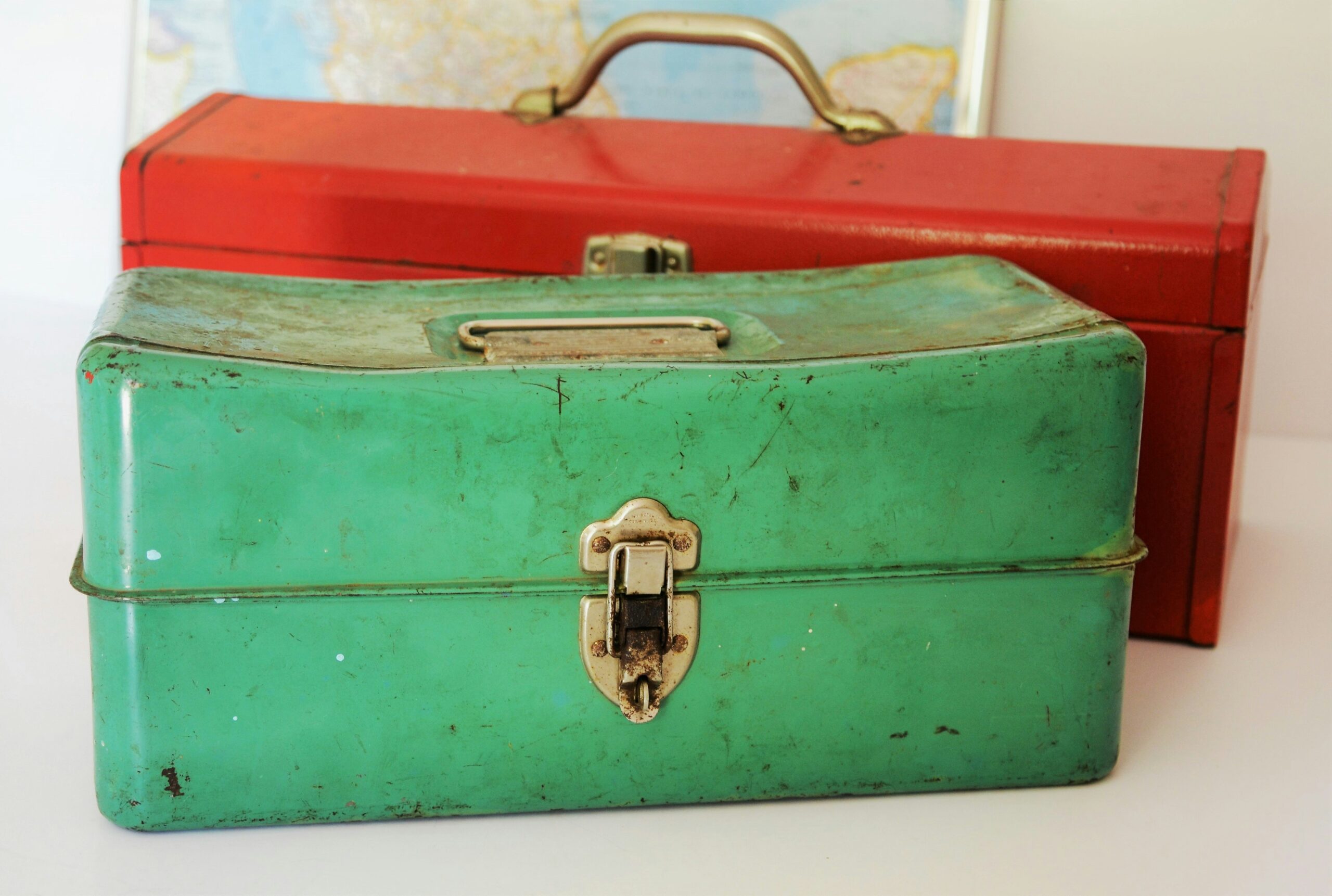
Having a toolkit with multiple coping techniques is essential to building resilience and adaptability, preventing burnout, and becoming a better ally to those in crisis. It can take time to find the right strategies for you – and that’s okay! Be open to trying new things and take time to consider if you have skills in all of the coping domains. Finally, let me know below what coping skills you have found most helpful in your life.
For more information and tips on developing coping skills, visit…
Coping Mechanisms (National Library of Medicine)
Develop a Battery of Coping Skills (Johns Hopkins Medicine)
Importance of Developing Healthy Coping Mechanisms (Northeast Health Services)
Stressed Out? Use These 14 Healthy Coping Mechanisms (Cleveland Clinic)
Or see Resources
Thanks for reading!
Leave a Reply