Trigger warning: This topic contains discussion of religious trauma, emotional/physical abuse, homophobia/transphobia, and suicide.
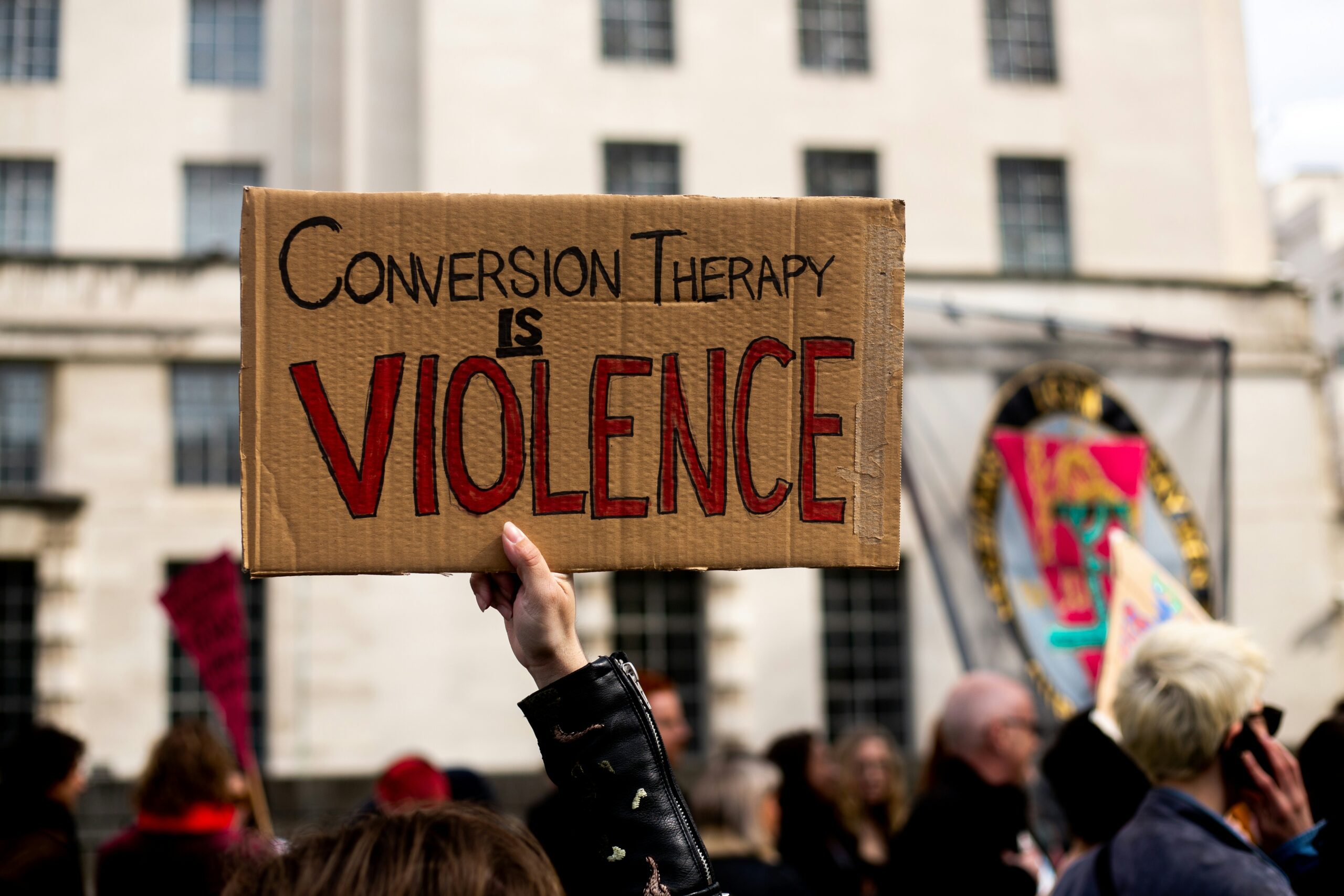
LGBTQ youth are once again living under the threat of conversion therapy. This harmful practice, discredited years ago, is making a comeback. In order to address mental health issues faced by LGBTQ individuals, we must recognize the risks of such programs.
What Is Conversion Therapy?
Conversion therapy is a program which aims to change the sexual orientation or gender identity of an individual to realign with cultural norms. Many practitioners have attempted to get around bans or avoid backlash by rebranding their programs under different names. As such, conversion therapy has also been called reparative therapy, gender exploratory therapy, and sexual reorientation therapy.
Typically, patients are part of the LGBTQ community but other individuals who do not fit gender stereotypes may also be subjected to it. This can include straight cisgender female “tom boys” or straight cisgender males with interests in things like makeup or dolls. Both adults and children can be put into programs, but the majority of patients nowadays are LGBTQ youth.
Homosexuality was not removed as a psychiatric disorder from the DSM until 1973. Up until this point, dangerous practices like lobotomies and electric shock therapy were used in conversion therapy. These practices, widespread throughout psychiatry at the time, often resulted in death or permanent disability. Nowadays, conversion therapy instead draws on techniques from addiction treatment or uses religion to shame individuals. They also rely on shaming the individual or causing self-stigma. Programs may look different, but they all view the identity itself as the cause of distress instead of looking at outside factors like stigma and discrimination.
What Are the Risks of Conversion Therapy?
Although the methods used have changed, the harmful effects it inflicts on the community has not. Many medical and mental health organizations have denounced conversion therapy as medical facilitated abuse. Numerous studies have shown that not only does conversion therapy not work in changing an individual’s identity, but it has severe negative side effects on one’s mental wellbeing.
The majority of individuals who have experienced conversion therapy either report their identity to be unchanged after or they come back to their original identity later in life. A shocking number of practitioners also have come out as gay or transgender later in life.
Those who have been subjected to conversion therapy often deal with increased anxiety, depression, PTSD, and suicidal thoughts. A 2023 survey by The Trevor Project showed that 22% of LGBTQ youth that feared they would be subjected to conversion therapy attempted suicide. It was also found in joint research between The Trevor Project and Cytel that conversion therapy cost the United States $9.23 billion annually. (See sources below.) This is primarily due to the increased need of community services for poor mental health outcomes caused by the practice.
The use of religion also adds an extra layer of harm. In some cases, the individuals do come from a religious background. This makes religious shaming even more devastating as the patient truly begins to villainize themself. Those who come from a non-religious background or from a religion that is different from the practitioner may become resentful of religion. Many adults have trauma related to the weaponization of religion. Such practices hurt not only the victims, but religion itself.
Why Is Conversion Therapy Making a Comeback?
Many states have banned conversion therapy in the past 20 years. These bans had been upheld by the Supreme Court since 2015 – until recently. In March 2026, the supreme court ruled that the Colorado conversion therapy ban was a violation of a counselor’s freedom of speech. If you are like me, you may be asking “How is this different from a doctor arguing it is their freedom of speech to tell a patient to drink bleach?”. Beats me.
This ruling also ignores a key issue with conversion therapy – how it is marketed. Many conversion therapy practitioners use deceptive marketing to lure in unsuspecting individuals. Using terms like “gender exploratory therapy” can trick individuals into thinking a clinician is instead offering gender affirming care. Well meaning parents can inadvertently subject their children to conversion therapy. Adults seeking help for distress related to discrimination may find themselves in a place they do not want to be. This places the burden on parents and vulnerable individuals to know the best practices and find different care in places where services may be limited.
The reality is, conversion therapy never truly went away. It hid behind false promises and new names. But it is again being discussed in the open as a viable treatment for kids. This is thanks to the rise of Christian nationalism, the infiltration of extremist conservative values in medical and educational systems, traditional family fads, and the villainization of trans individuals. Deep rooted bigotry is taking precedent over the care of vulnerable children.
How Can You Support LGBTQ Individuals?
First and foremost, listen and support the LGBTQ individuals in your life. Be open about your allyship. Let people know you are someone safe to talk to. Children and teens are especially vulnerable and often struggle to voice their needs. Be active in offering support.
Educate yourself and others about the issues LGBTQ individuals face. There are many great organizations that offer data and practical tips on mental health in the community. Check out the links to NAMI, The Trevor Project, and PFLAG below for more resources.
Fight hostile legislation and stand up to bigotry. If you see someone being targeted, say something. Hate flourishes when bystanders do nothing. Protest and write to legislators when you see anti-LGBTQ laws and regulations proposed. You can report discrimination to organizations like the ACLU, which advocates for victims and prosecutes offenders.
Volunteer for a nonprofit that supports LGBTQ rights. There is a wide range of opportunities from creating care packages, to working a crisis hotline, to organizing peaceful resistance. If you have passion for civil rights, there is an organization and a role for you.
Love Wins
I know this topic was a heavy one and I want to leave everyone with a message of hope: you are not alone. It can feel like we are going back in time, but it is important to remember that we’ve already been there. We know how it ended and how people who believe in love and justice have made change happen.
Everyday, ordinary people are showing extraordinary bravery in fighting against hate and corruption. Hundreds of thousands of people have come together in protest. Community and religious leaders have set up food pantries. Lawyers have volunteered their time and expertise to fight for those who can’t afford representation. Everyday people have committed to small acts of kindness to help their neighbors.
Don’t lose hope for a better tomorrow.
Take care of yourself and others. Stay safe. Know you are loved.
For more information and resources please see…
A Report on Practitioners of So-Called Conversion “Therapy” in the U.S. (The Trevor Project)
Conversion Therapy (National Alliance on Mental Illness)
LGBTQ Rights (American Civil Liberties Union)
Religious trauma and moral injury from LGBTQA+ conversion practices (Science Direct)
The history of getting the gay out (Smithsonian National Museum of American History)
The Science & Controversy of Transgender Healthcare (YouTube – Doctor Mike)
If you are in need of support please contact…
Trevor project crisis services
Call 1-866-488-7386
Text “START” to 678-678
Chat on website
Suicide & Crisis Lifeline
Call 988
Crisis Text Line
Text “HOME” to 741741
Or see resources for more options.
Leave a Reply