Disclaimer: I am not a nutritionist nor a doctor. These tips are not medical advice but things I found useful in my own experience. Please talk with your doctor before making any dietary changes.
We need food, not only to survive, but to heal and promote physical and mental wellness. Those dealing with chronic illness, depression, medication side effects, or recovering from an eating disorder likely understand the struggle of maintaining a healthy diet. When I was going through my own depression and first starting medication, I was one of these people. Here are the tips I found most helpful in making sure I was getting proper nutrition when I needed it most.
Convenient Foods
One of the largest barriers to healthy eating when managing health complications is energy. Chronic fatigue is a common symptom among those with chronic illness and depression. Having foods that are easy to access is absolutely essential. And don’t let those “easy” 5 pan, 20 ingredient, 3 hour recipes fool you. There are accessible options and there is no shame in using them.
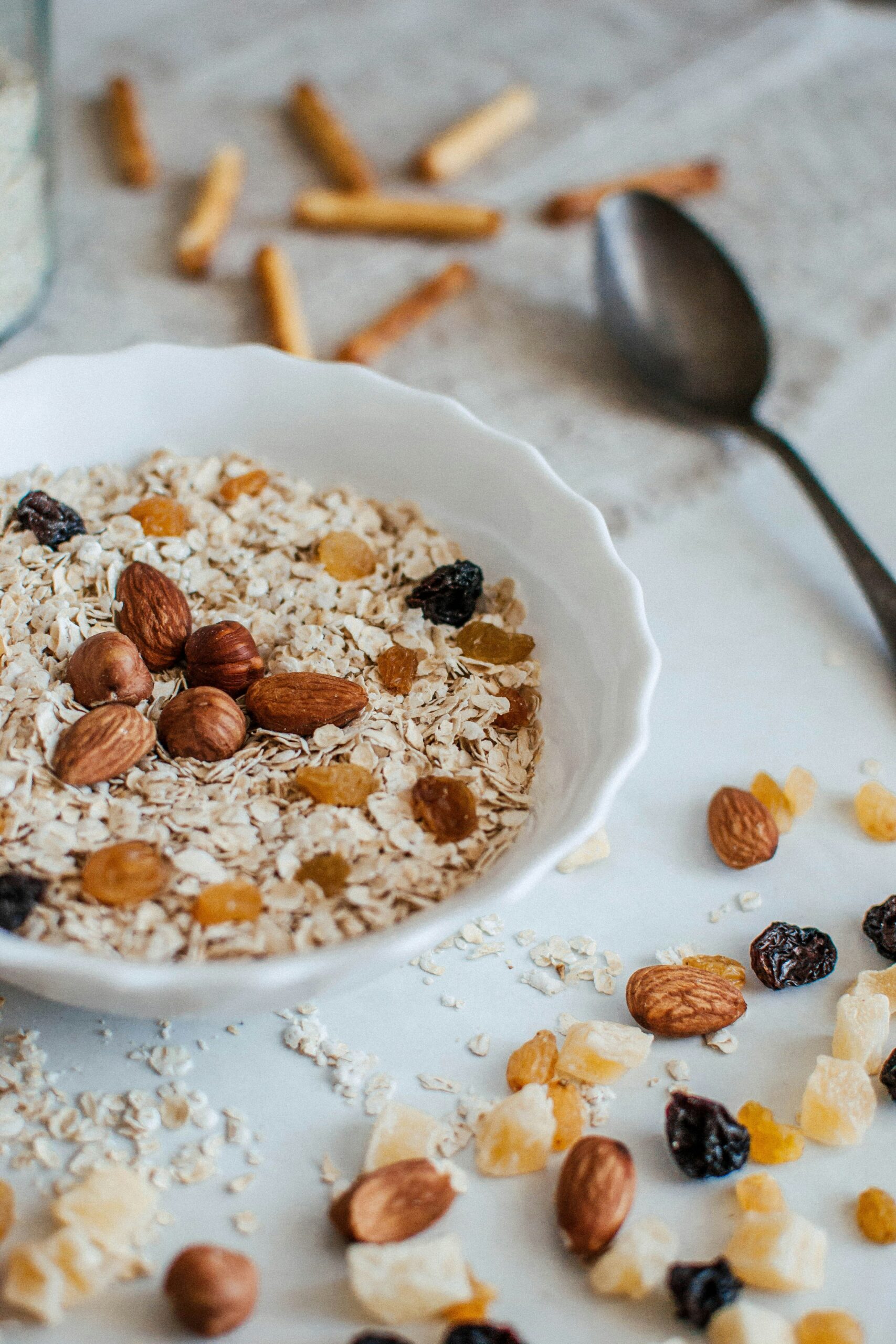
Breakfast items are often the easiest to find – cereal, oatmeal, smoothie mixes… I used to neglect breakfast but I find now that eating a high carb breakfast gives me more energy throughout my day. Plus who hasn’t had waffles for dinner at least once?
Other frozen premade meals for lunch or dinner are also pretty easy to find. Some are better than others. I did find these very helpful at the height of my depression, but these can also be fairly pricey after a while. These were fairly new at the time, but I discovered steam in bag veggies and they were a game changer. Now they are pretty easy to find and typically more affordable than fully prepped frozen meals. I would pair these with minute rice or steam-in-bag quinoa for a quick, nutritious stir fry. Things like canned soup or pasta are also affordable options. Precut fruits or salad kits are a good option if you are in need of something fresh and light.
Having snacks like protein and fiber bars helps if you struggle to eat large meals. In fact, having smaller, multiple meals can help prevent energy slumps for some people. Eating smaller portions can also ease digestive issues that often come as a side-effect of certain medications.
Shelf Stable Items
You may have already noticed that the majority of my recommendations are non-perishable items. One thing I feel many people who give advice on healthy eating neglect is the effort it takes to go shopping every few days. While I do encourage you to try eating as much fresh fruits and veggies as possible, it is important to consider the effort in going to the store and cleaning out the fridge when things go bad. The last thing you want is to realize all your food went bad and there is nothing for you to eat when you are having a rough day. By keeping at least a few non-perishable or frozen staples, you can be sure you’ll always have something available. These can be things like oatmeal, pasta, rice, beans, frozen meats or veggies, dried fruit, and so on.
Spices
Rediscovering my joy in food was an unexpectedly major part of my healing process. Now this may seem like a strange tip, but one of the most important things for me is having variety in my diet. When you are limited in the types of foods you have access to, using different spice mixes can help change up your meals. Adding a little cinnamon to your oatmeal can make it feel less boring. Swapping out your soy sauce for fajita seasoning can turn your stir fry into a taco bowl. There are so many different dishes you can make with the same components by simply changing spices.
I would not recommend trying to fill up your entire spice cabinet at once as this can be quite pricey. Instead, look for one or two new spices or mixes you want to try whenever you go shopping. Over the years, I have accumulated a large spice collection that I use on a daily basis.
Supplements
Vitamins and supplements can help fill in gaps but should not be considered a replacement for food. The best way to address deficiencies is to adjust your diet, but for those living with dietary restrictions or certain conditions this may not be enough. If you suspect a vitamin deficiency, it is important to discuss this with your doctor so that they can conduct testing and provide proper treatment or guidance.
Through blood tests at the doctors office, I was able to find out I had low iron and Vitamin D levels which were contributing to my depression. My diet was adjusted to include more iron (found in things like red meat, beans, and spinach) and I started taking Vitamin D supplements during the winter months. These changes helped me tremendously.
I would also be remiss to ignore the problems in the supplement industry. It is important to exercise caution and skepticism when hearing claims from sellers. Many exaggerated claims have been made about undertested and unregulated supplements. Certain supplements (such as St. John’s wort can also have dangerous interactions with medications or have serious side effects for some people. Again, it is absolutely vital to talk to your doctor before taking any new substance. You may not think it is as big of a deal as taking a prescription medication, but it can be.
Find What Works for You
It can be overwhelming with the amount of complicated recipes flooding social media, but there is no shame in keeping things simple and finding what is best for you. You may find that not all of these tips fit your lifestyle, and that is okay. I only hope someone finds this helpful in their journey. If you have other tips, feel free to drop them in the comments. And be on the lookout for a future post (likely multiple) on vitamins and supplements in mental health management.
Until then, stay safe and healthy. Thanks for reading!
Leave a Reply