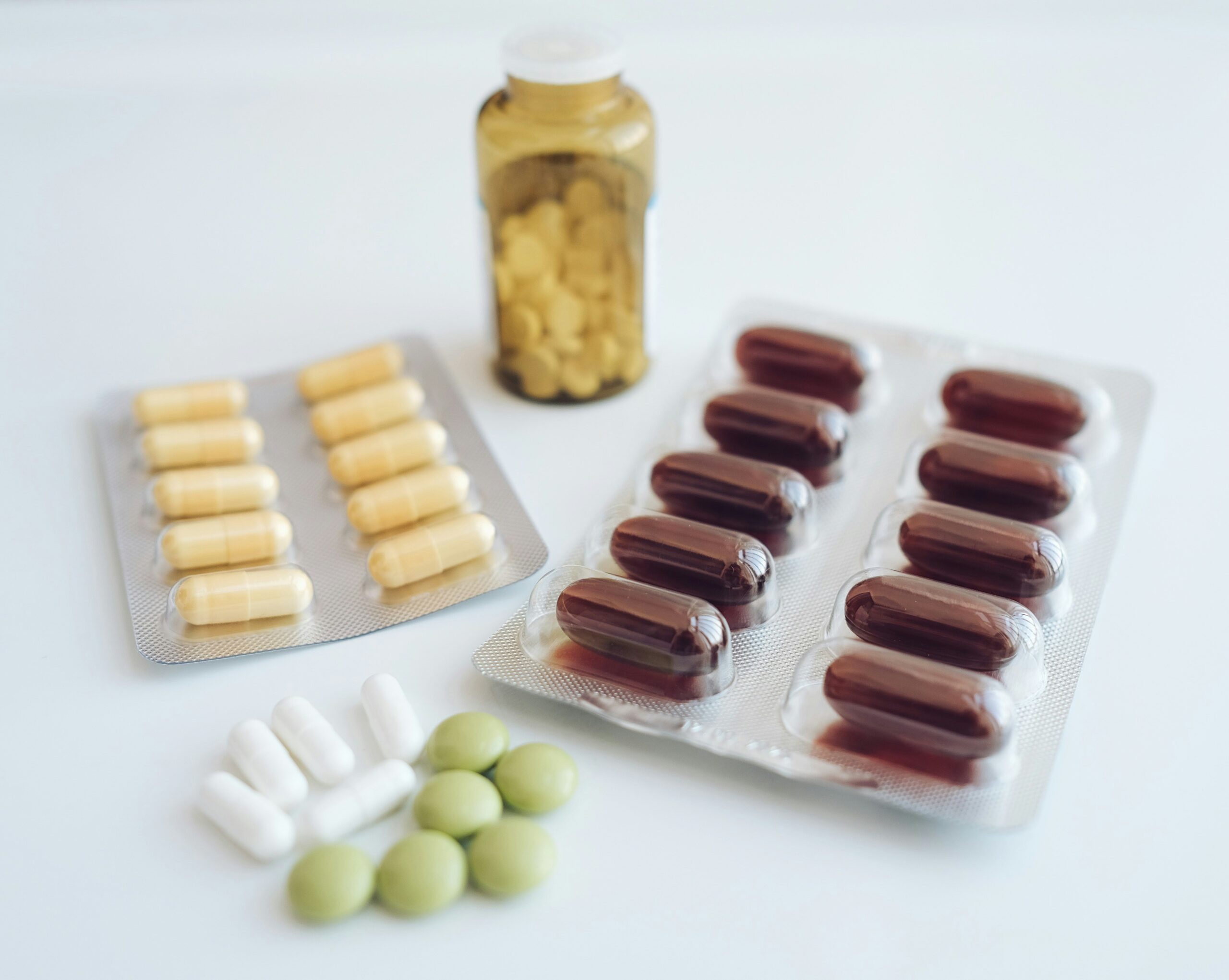
Disclaimer: I am not a nutritionist nor a doctor. These tips are not medical advice but things I found useful in my own experience. Please talk with your doctor before taking any supplements.
Our body is a complex system made up of many different vitamins and minerals. When there is an imbalance, it can impact both our physical and mental wellbeing. Today we will be diving into a few of the most popular supplements that impact our mental health.
Complications and Industry Issues
Before I get into the supplements I take, I want to urge caution and address issues in the supplement market. It is important to remember that while they can be helpful to some individuals, supplements can have adverse interactions with certain medications or health conditions. Herbal remedies, such as St. John’s Wort, should be avoided when taking SSRIs for example. Some supplements can also prevent your medications from working. Vitamin C, a very common vitamin, can reduce the effectiveness of stimulants if taken in high doses.
Additionally, I would be skeptical of claims by individuals selling supplements. Don’t believe claims that they can outright cure a condition or fix any problem. The supplement industry is extremely under regulated and under researched. This leaves consumers vulnerable to scams and can lead to the distribution of impure supplements. Be sure to talk to a doctor before starting any supplement or medication. If you do decide to start one, only buy from a pharmacy or reputable seller.
Vitamin D
When dealing with my depression, one doctor recommended I take Vitamin D in the winter months. Living in North Dakota at the time, the winters were long and dark. Seasonal depression is very common in that region during the winter months. This can cause depressed mood in individuals who don’t usually live with depression or can worsen the symptoms of those who do. Adding this supplement ended up being a massive help to me. Most people living in the south or during the summer don’t need Vitamin D supplements as we typically get enough from the sun. Some studies also show Vitamin D can potentially reduce anxiety, although results of these studies are somewhat mixed.
Vitamin C
Most people know Vitamin C primarily aids the immune system when we are sick. However, this vitamin also plays an important role in energy and attention. Studies have shown that individuals with proper Vitamin C levels perform better on cognitive tests than those who have a deficiency. These individuals have greater motivation, energy, and capacity for longer sessions of focus. I personally enjoy my citrus fruits so I rarely take this in supplement form. However, you can get Vitamin C in tablet or drinkable powder form if needed.
Iron
Low iron levels are often associated with chronic fatigue. This makes sense as one of iron’s main roles is to help red blood cells carry oxygen. The majority of individuals with mental illnesses that cause fatigue (such as depression, anxiety, and schizophrenia) also have a history or current iron deficiency. You do not have to be anemic to feel the impact of low iron levels either. Even a slightly low level can have a major impact. Supplementation for this can be touchy as iron toxicity can lead to organ disease or failure. If you struggle from fatigue, I highly recommend requesting a blood test, but do not supplement without confirmation.
Creatine
I never even heard about creatine until I started weight lifting a few years ago. Creatine is a compound that occurs naturally in our muscles and some parts of the brain. It is responsible for pulling in water, which can aid in recovery after workouts and increase energy. Some small studies have also shown potential mental health benefits for women in menopause or dealing with post-partum depression. Women naturally have lower levels than men, possibly explaining this.
However, it is important to note that 1 in 3 people are non-responders, meaning they won’t see any benefit from taking creatine supplements. Additionally, creatine can increase the acidity in your stomach, making it unsuitable for those with stomach ulcers or who get heartburn easily. I got sick the first time I took it because I neglected to eat. Now I take it with breakfast or a pre-workout meal, which works for me. Creatine monohydrate (which usually comes in powder or capsule form) is generally considered the most effective type of creatine supplement.
Fiber
Until I took a course on nutritional psychology, I had no idea just how important fiber is in managing mental health. Many nutritionists have called fiber the “link of the mind-gut axis”. While not completely understood, fiber seems to have a strong negative correlational relationship with depression and anxiety (meaning more fiber, less severe symptoms). The class I took advocated for focusing on fiber as a primary macro to combat PTSD symptoms.
It can be tricky balancing your fiber intake. Too little can cause fatigue and constipation. Too much can cause diarrhea, bloating, and nausea. Balancing fiber is most easily done with small diet changes. Eating more fibrous foods like vegetables, berries, and beans is a great step. In my diet I swapped regular sodas for probiotic sodas and started making chia seed pudding (which also has the added benefit of being high in Omega-3 and Omega-6 fatty acids).
Multi-Vitamins
Generally speaking, multi-vitamins are not needed if you are a healthy adult with a stable diet. These vitamin mixes don’t account for individual needs. It is often better to just take what specific vitamins you need so you do not risk taking too much of any one substance. That being said, they can be helpful for individuals dealing with overall malnutrition. Targeted multi-vitamins for children or pregnant individuals can also be beneficial – but it is especially important to discuss these with your doctor.
Final Thoughts
The number one way to address vitamin deficiencies is through diet change. However, some cases may require supplementation. It is important to be educated on potential interactions with psychiatric medication and the impact these vitamins have on your mental health. Never start any supplement without discussing it first with your healthcare provider.
Are there any supplements or vitamins I missed that you are curious about? Let me know below!
Until the next time, stay happy and healthy!
For more information on these supplements and mental health, please see…
Could low iron make mental health symptoms worse? (University of Michigan)
Fiber: The Forgotten Macro (Integrative Psychiatry Institute)
Is Vitamin D Important in Anxiety or Depression? What Is the Truth? (National Library of Medicine)
Want Bigger Gains for Your Brain? 6 Facts About Creatine and Brain Health (University of Missouri)
Leave a Reply