Disclaimer: I am not a licensed doctor nor neurologist. The following is for general educational purposes only and is not a substitute for professional diagnosis, treatment, or advice. Please see your doctor if you have suffered a head injury.
There are many different labels for brain injuries but you may wonder what the differences are. Today we will discuss TBI, concussions, and CTE so you can understand warning signs and treatments. We will also discuss current research, along with gaps in our understanding.
TBI
TBI stands for “traumatic brain injury” and serves as an umbrella term for brain damage resulting from sudden trauma. A TBI can occur from either an open or closed wound. Open wounds involve foreign debris damaging the brain – such as a bullet or skull fragment. In closed wounds, the skull remains intact and the brain instead suffers bruising from whiplash or blunt force trauma.
The symptoms of a TBI can range depending on what area of the brain is damaged. Most commonly, individuals experience dizziness, fatigue, confusion, pupil dilation, and speech difficulties. These symptoms can appear right away or appear in the weeks following the initial trauma. It is important to not only seek care right away, but to also inform your doctor if there are sudden worsening symptoms as this may indicate a serious complication like a brain bleed. Young children, teens/young adults, and the elderly are at higher risk of suffering a TBI. Playing contact sports or being in an accident can also be a risk factor.
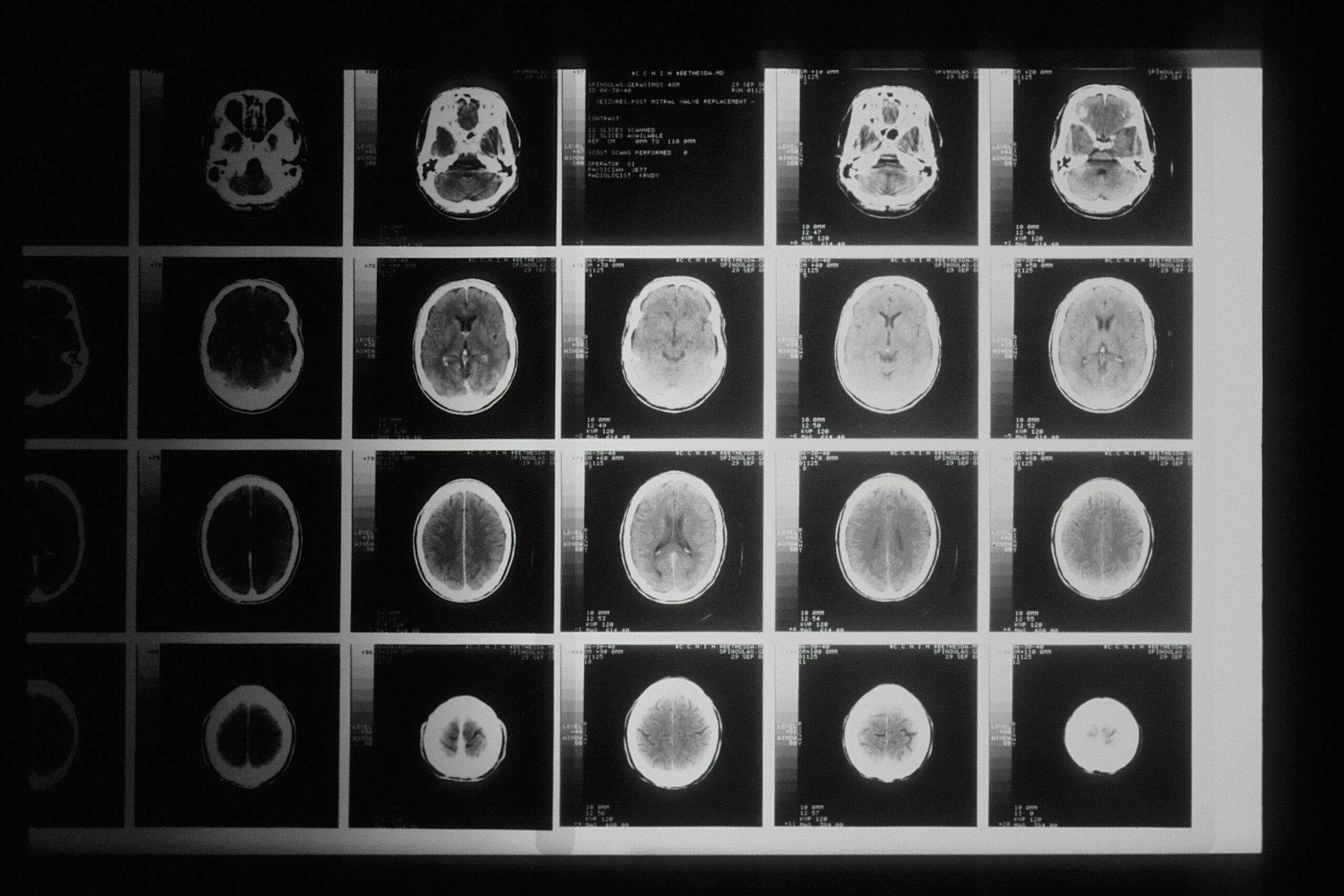
To assess the severity of a TBI, doctors use the Glasgow Coma Scale (GCS) which consists of verbal questions and motor skills tests. TBIs are then assigned a number 3-15, with a higher number indicating a less severe injury. Doctors may also order CT scans, MRIs, and x-rays to assess damage to the brain, skull, and neck.
Treatment most often is made up of rehabilitation services such as physical therapy, speech and language therapy, and occupational therapy. In more severe cases, surgery may be required to repair ruptured vessels or bruised brain tissue. Many people are able to make a full recovery from a TBI, but depending on the damage, some may have lasting disability.
Concussions
Concussions are simply a mild TBI (or mTBI). These result from closed wounds and are caused by the brain being rattled against the skull. Such trauma causes brain swelling and inflammation.
Those suffering from a concussion may experience headaches, dizziness, changes in vision, nausea, confusion, or memory issues. Children may experience developmental delays and more drastic mood or personality changes. It is a common myth that you have to lose consciousness for a concussion to occur. Regardless if the individual remains aware of their surroundings or not, it is important to get assessed if any blow to the head occurs.
A wide range of tests may be used to test physical and psychological signs of concussions. Some tests are specialized based on the traumatic event or other risk factors, such as athletic performance and military service. Cognitive and physical therapy may be used in recovery if necessary.
Many individuals do not seek professional help for concussions due to the common perception that nothing can be done. While it is true that it is mostly up to the brain to heal itself, support services may be available to speed up recovery and prevent the loss of essential skills. It is also important to get a professional assessment to make sure there are no other complications. Despite decades of research into mild brain injuries, concussions still go underdiagnosed.
CTE
CTE, or chronic traumatic encephalopathy, is a disorder connected to repeated head injuries. It has recently gained attention in sports but can also be caused by long-term domestic violence or combat exposure. This label is relatively new so there is much we do not know – including how many injuries result in CTE.
This disorder appears to be degenerative, meaning it gets worse over time. Symptoms are often similar to what is commonly seen in TBIs. Those with CTE can also develop dramatic behavior changes, paranoia, aggressiveness, suicidality, and early-onset or progressive dementia. While these symptoms might help indicate potential CTE, this disorder can only currently be diagnosed after death with a brain autopsy. As such, treatment remains out of reach for those with CTE. The only option for individuals suspected of having CTE is supportive services such as therapy and caregiving.
Current research is focused on developing early diagnosis standards and links to biomarkers. One promising hypothesis is that higher levels of tau protein may indicate CTE. However, potential treatments are likely a long way off considering the lack of treatment options for even mTBI.
Gender Considerations
Many sources indicate that men are at higher risk for a TBI than women. While men are hospitalized at two times the rate of women for TBI related incidents, there are important extraneous factors to consider.
For one, many male-dominated occupations come with a higher risk of injury, such as construction, emergency response, or military service. Such risks may account for a large portion of this disparity. This does not mean women do not experience TBIs, however. Women working in male-dominated industries may feel extra stigma and fear being seen as “not tough enough” if they seek help.
Women also face higher levels of domestic violence related TBIs. According to the Brain Injury Association of America, 90% intimate partner violence involves injury to the head or strangulation. The chances of survivors seeking care are hindered by stigma and fear surrounding domestic violence.
Women, non-binary, and trans individuals also face greater barriers to healthcare in general. Research for these groups lags behind that for men. The only research I found on TBI care for gender non-conforming individuals is on the lower quality of care they receive. A few small studies have shown women may have unique complications like fertility issues and higher levels of PTSD, depression, and anxiety. But little follow-up has been done. Without a full understanding of how these demographics are impacted by brain injuries, they are unable to get adequate care. And again, stigma and fear of discrimination often stops these individuals from seeking care in the first place.
Final Thoughts
Taking preventative measures (such as wearing bike helmets or protective sport equipment) is an important part of preserving your brain health. Understanding the symptoms and risks of TBIs, concussions, and CTE can help you if these preventative measures fail or if you suffer an unexpected trauma. We still have many gaps in knowledge and must push for more research into how TBIs impact women and gender non-conforming individuals, potential treatments for TBIs, and the identification of CTE.
If you experience head trauma, it is important to seek professional help. It can be life saving.
Until the next one, stay safe out there.
To learn more about TBIs, concussions, and CTE please see…
About Chronic Traumatic Encephalopathy (UT Health)
Chronic Traumatic Encephalopathy (American Brain Foundation)
Concussion Test (Cleveland Clinic)
Traumatic Brain Injury (American Brain Foundation)
Traumatic Brain Injury (Mayo Clinic)
Traumatic Brain Injury Treatment for Transgender Individuals: A Systematic Review (ResearchGate)
Or check out our list of resources.
Leave a Reply